

HONESTY IS THE ROOT
Quality is always satisfactory
Hotline
400-606-8981
NEWS CATEGORY
HOT PRODUCT
MORE
-
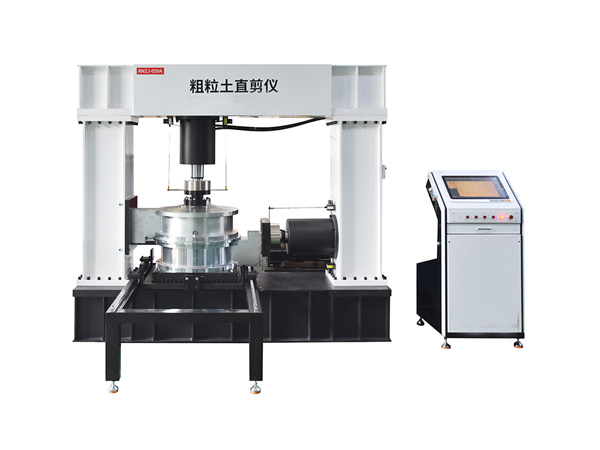 Coarse grained soil direct shear tester
The coarse-grained soil direct shear tester is mainly used for on-site testing and research of dam ma...
-
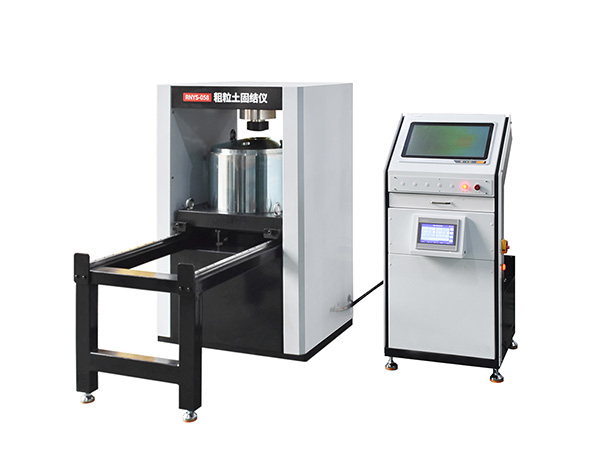 Coarse grained soil consolidation tester
The coarse-grained soil consolidation tester is used to determine the relationship between deformatio...
-
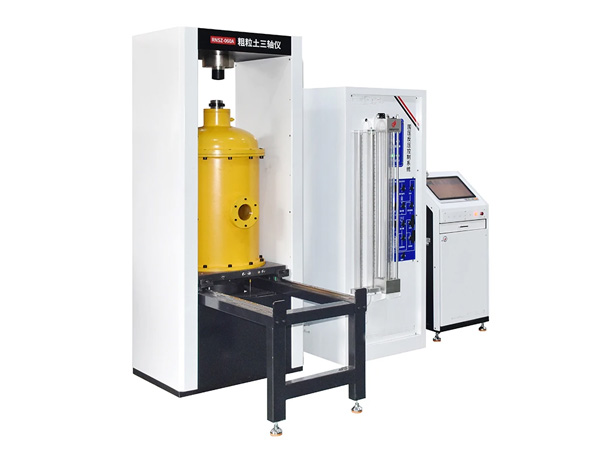 Coarse grained soil triaxial compression tester
This testing machine adopts our company's servo pump control,which has low noise and energy consumpti...
-
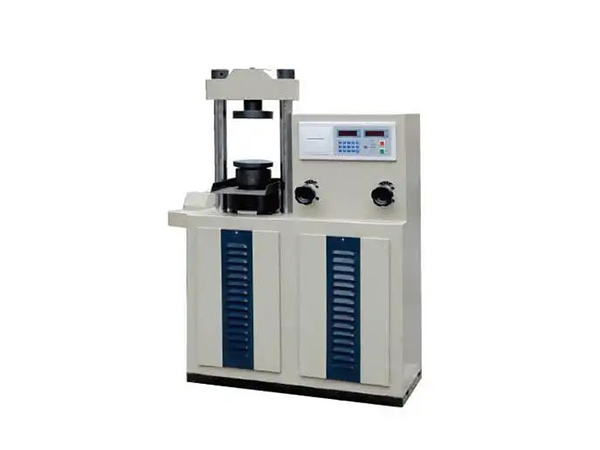 Cement constant stress pressure testing machine
This cement constant stress pressure testing machine is mainly used for compressive testing of cement...
-
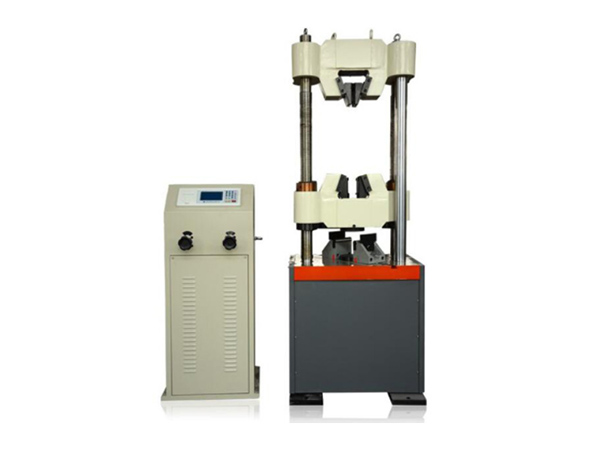 Digital universal material testing machine
The digital universal material testing machine is suitable for tensile, compressive, bending, shear a...
Precautions for using mortar air content tester
Dec 25
2024
NEWS DETAIL
The mortar air content tester is an instrument used to measure the air content in mortar. The main features are as follows:
1、 Directly read the gas content measurement value without drawing a curve, with simple operation and accurate reading
2、 Acid alkali corrosion-resistant metal material, special sealing ring gasket, waterproof (based on actual reports), dustproof, explosion-proof (based on actual reports) pressure gauge
3、 Small size and light weight. Built in hand pump for easy portability
4、 Practical and compact in structure, suitable for high-frequency use on construction sites
5、 Lightweight, convenient, versatile, and highly accurate. All silicone sealing technology enables the instrument to be individually sealed locally
Precautions for using mortar air content tester:
1. When using the equipment, carefully read the technical manual, familiarize yourself with the technical indicators, working performance, usage methods, and precautions, and strictly follow the prescribed steps in the instrument manual for operation
2. Personnel using the equipment for the first time must operate it under the guidance of skilled personnel and only after mastering it can they perform independent operations
3. The instruments, equipment, and devices used in the experiment should be arranged reasonably, neatly placed, and easy to operate, observe, and recordBefore powering on electronic instruments and equipment, confirm that the power supply voltage meets the specified input voltage value of the instrument and equipment.
4.Instruments and equipment equipped with three wire power plugs must be plugged into power sockets with protective grounding.
5.When using the device, its input signal or external load should be limited within the specified range, and overloading operation is prohibited.
6. Optical chemical instruments and their accessories should be handled with care to prevent vibration during use. Do not touch the surface of optical glass with your hands. When dust and dirt are found, do not wipe them with hands or a cloth, use products or tools instead
7. The equipment should not be operated and used in magnetic or electric fields. Shielding measures must be taken to prevent damage to the instrument or equipment or a decrease in measurement accuracy8. Mechanical instruments and equipment must undergo no-load operation confirmation before being loaded for use. Lubricate before use and wipe clean after use