


HONESTY IS THE ROOT
Quality is always satisfactory
Hotline
400-606-8981
PRODUCT CATEGORY
LATEST NEWS
MORE
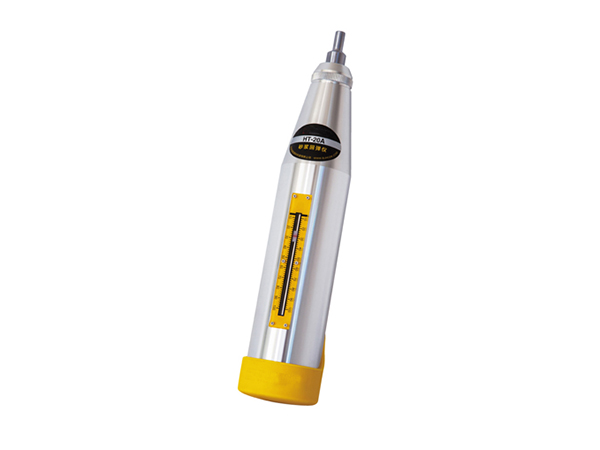
PRODUCT DETAILS
HT-20A mortar rebound tester is used for non-destructive testing of compressive strength of structural engineering sintered ordinary bricks or sintered porous brick masonry mortar
Functional Features
High toughness alloy steel springs have good damping and fatigue resistance;
CNC precision machining of refined movement, confirming stable rebound value The pointer axis is smooth, with uniform friction and high measurement stability The precision ground spherical zero adjustment screw is matched with a high-strength hook, making rebound firing smoother and wear-resistant (based on actual reports), and less likely to bounce off Adopting high-strength and hard aluminum body shell, it is lightweight and resistant to pressure and dropCustomized protective sleeve handle for more comfortable rebound operation
Data processing software that supports raw record input, facilitating the production of inspection reportsAccording to the standard
GB/T 9138-2015 "Rebound Tester"
JJG 817-2011 "Rebound Tester" Verification Regulations
GB/T 50315-2011 "Technical Standards for On site Inspection of Masonry Engineering"
Technical Indicators
Impact Kinetic Energy: 0.196J
Elastic Impact Pulling Spring Tensile Length: 75 ± 0.3mm
Friction Force of Pointer Sliding Block: 0.5 ± 0.1N
Elastic Impact Pulling Spring Working Length: 61.5 ± 0.3mm
Elastic Hammer Decoupling Position: Scale; 100" Marking
Spherical radius at the end of the striking rod: 25 ± 1mm
Jumping position of the striking hammer: Scale; 0+1"
Calibration value on steel drill: 74 ± 2